
How to Stop Fearing Food and Start Trusting Your Body Again
Do you ever feel like you just cannot trust yourself around food?
Like you tell yourself "I'll just have one" and somehow you're three handfuls deep into the snack cabinet wondering what happened. Or you've been "on track" all week, feeling great, and then Friday night you're standing in the kitchen after dinner eating for reasons that have nothing to do with hunger.
If that sounds familiar, hear this first: there is nothing wrong with you. You're not weak, and you don't have a discipline problem. You've likely just spent years being taught to distrust your own body. Today we're unlearning that.

Why You Stopped Trusting Yourself in the First Place
No one is born with food rules or hating their body. Watch a toddler eat sometime:
They eat when they're hungry and stop when they're full
They might refuse broccoli one day and eat it happily the next
No guilt, no spiral, no "well I already blew it so I might as well finish the whole thing"
That's our natural, default relationship with food. We were all born with it.
So what changes it? Usually a slow erosion of trust:
A parent's comment about your body or your plate
A trainer's rigid eating plan
A college diet that labeled foods "clean" or "off-limits"
Years of being told your hunger was inconvenient or something to manage
One client told me her mom used to say, "well you can't possibly be hungry for seconds." And honestly? I catch myself questioning my own toddler's hunger by default of that same conditioning.
The sneakier part: the more you try to control food externally through plans, rules, and tracking apps, the more disconnected you get from your internal cues. You stop asking "am I hungry?" and start asking "is it time to eat?" You stop asking "what sounds good?" and start asking "what's the lowest calorie option?"
That disconnect isn't a character flaw. It's what years of diet culture does to a person.
What Trusting Yourself Actually Looks Like
Trusting yourself with food does not mean eating whatever, whenever, with zero awareness. It looks more like:
Having a piece of birthday cake, thinking "that was delicious," and not thinking about it again
Eating enough during the day so you're not ravenous by 9pm
Ordering what actually sounds good instead of scanning for the "safe" option
Noticing you're full and stopping because your body told you, not a rule
The research backs this up too: intuitive eaters show better diet quality, more stable weight patterns, lower rates of disordered eating, and significantly better psychological wellbeing than chronic dieters. I always joke with clients that I wouldn't do this work if no one got better. That would be pretty depressing.
When food stops being a moral test you pass or fail daily, that mental energy gets to go somewhere else in your life. That's the peace we're working toward.
3 Steps to Actually Rebuild That Trust
1. Notice without judging. Get curious instead of critical. When are you most likely to eat past fullness? What triggers a "screw it" moment? Curiosity creates awareness, and awareness is where change begins. This isn't about beating yourself up for what you find, it's gathering information like a scientist, not a judge.
2. Feed yourself consistently and adequately. You cannot build trust with a body that feels chronically underfed. Skipping breakfast, waiting until you're starving for lunch, then "can't stop eating" at night isn't a discipline problem, it's biology. Regular, adequate meals tell your nervous system: food is available and reliable. When your body believes that, the noise quiets down.
3. Practice unconditional permission. Give yourself permission to eat the foods you've been restricting, intentionally, and see what actually happens. Restriction creates scarcity. Scarcity creates urgency. Urgency feels like loss of control, but it isn't, it's just your brain responding to a perceived shortage. Permission creates neutrality, and neutrality is where trust grows.
A Real Client Story
A client once told me she couldn't keep cereal in the house. Every time she bought it, she'd eat way past where she wanted, feel terrible, and swear it off, until the next time she bought it.
Instead of continuing to avoid it, we brought it back in on purpose:
Made sure she was eating enough during the day so she wasn't arriving starving
Practiced sitting down with a bowl, no screens, no distractions
Focused on actually tasting and enjoying it
Within a few weeks, the cereal lost its power. She could have some, put the box back, and walk away, not from white-knuckling it, but because it genuinely wasn't a big deal anymore.
That's the magic of rebuilding trust: what used to feel completely out of control becomes completely neutral. That's available to everyone. It's a skill, and it can be learned.
You Can Trust Yourself With Food Again
That version of you, the one who eats dinner without guilt, goes to a party without a plan, and wakes up without dreading the day's food decisions? She's not out of reach. She's just waiting for a little support and a lot of practice.
If you want a little structure that's flexible and judgment-free (not a rigid meal plan), grab the free Meal Planning Template. It works with real life.
About the author
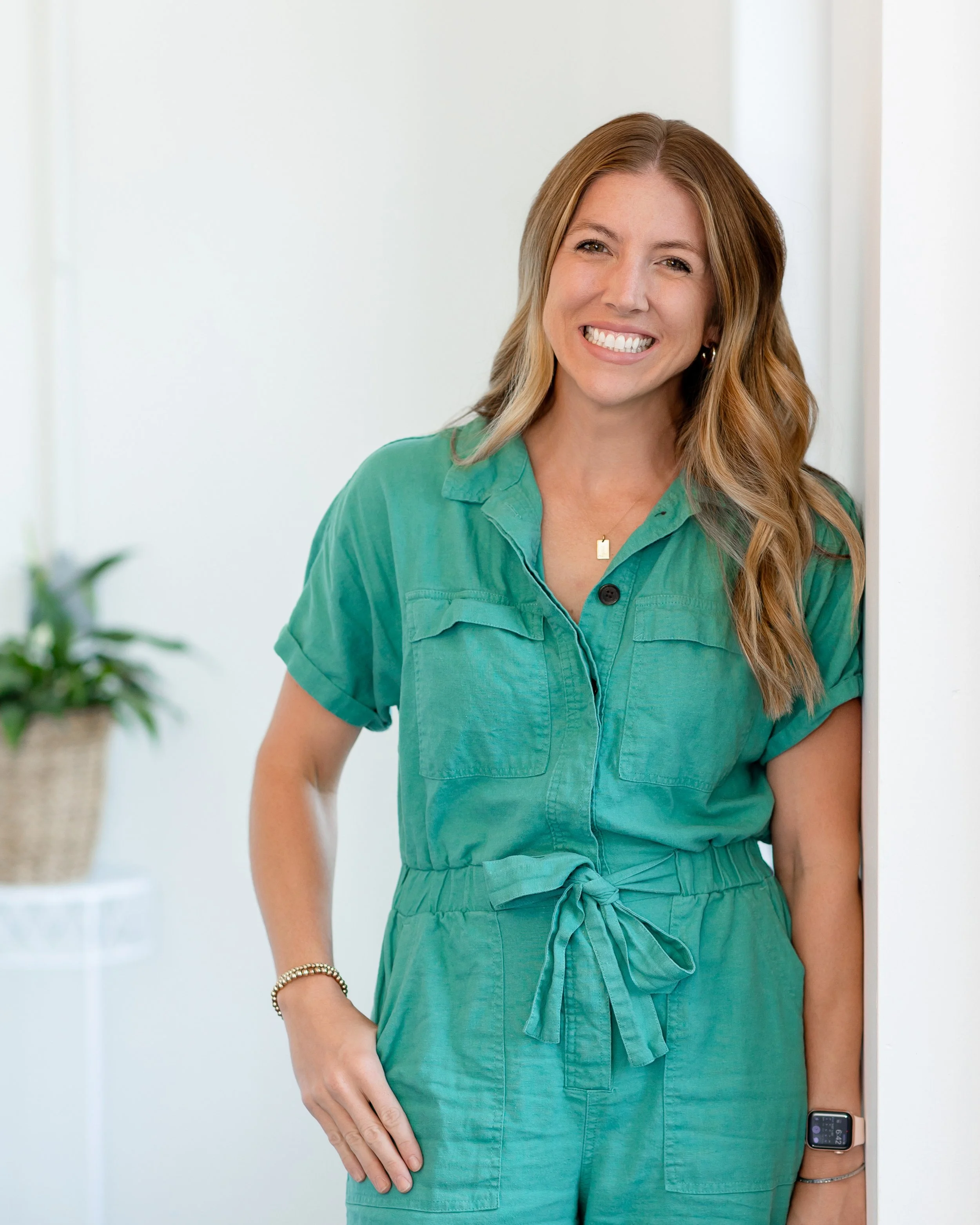
Katie Hake, RDN, LD, CPT is a Registered Dietitian Nutritionist, Certified Personal Trainer, and the founder of Katie Hake Health & Fitness, LLC based in Carmel, Indiana. She specializes in helping folks break free from dieting, rebuild trust with their bodies, and create sustainable habits that support energy, confidence, and health. Through both in-person and virtual counseling, Katie proudly serves clients across Indiana and beyond, empowering them to use their insurance benefits to access compassionate, evidence-based nutrition care and fitness coaching.