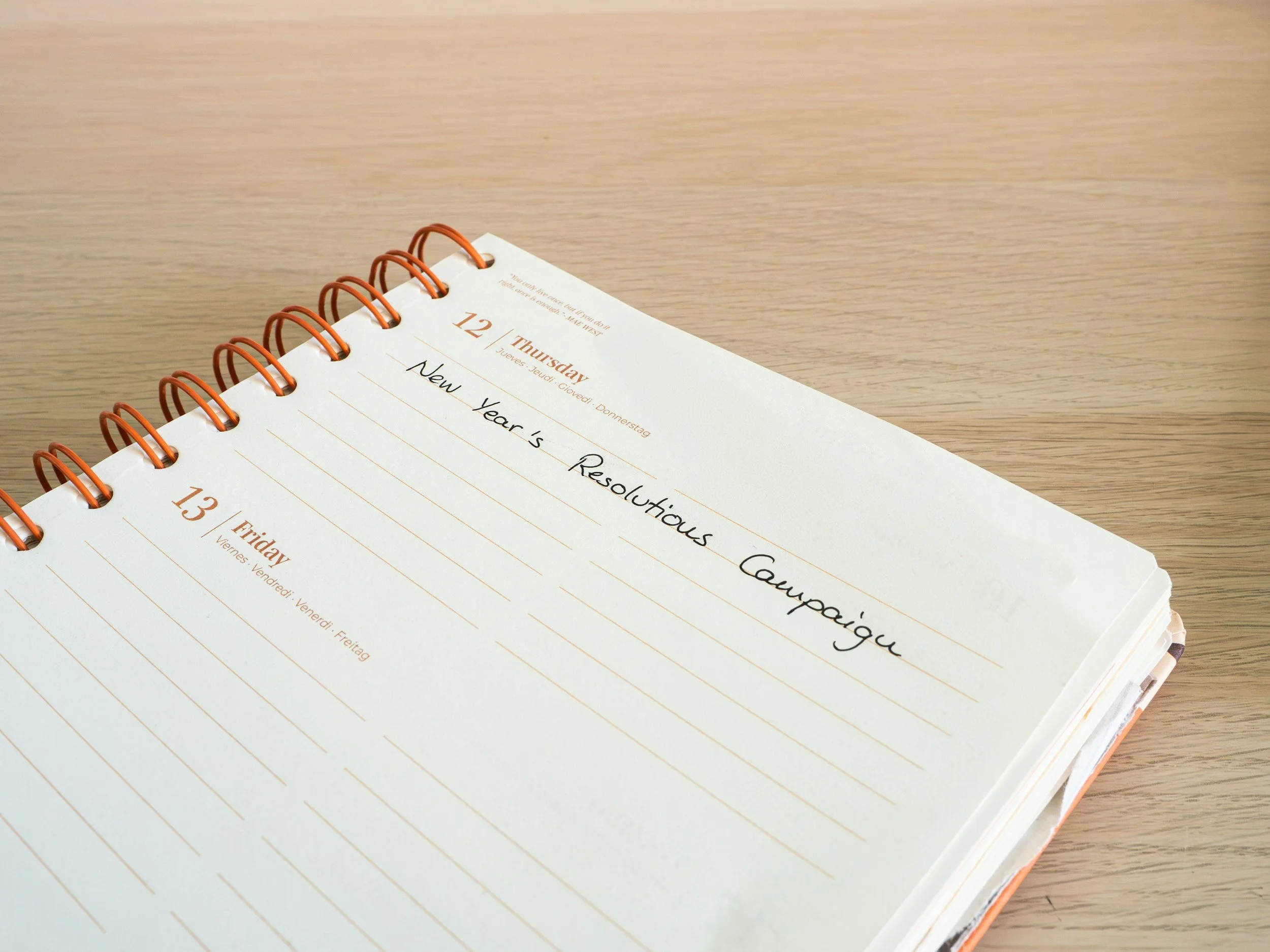
Why “New Year, New You” Fails (and What Actually Works Instead)
You Don’t Need a New You - You Need Better Systems
Let me guess: everywhere you look right now, someone is telling you it’s time to restart, reset, or reinvent yourself - as if you’re some sort of recalled Black Friday toy.
January has a way of doing that.
Roughly 1 in 3 Americans starts a new diet every January, and about 45% of adults say their New Year’s resolution is to lose weight or “eat he That makes it the most common behavior people try to change this time of year - even more than saving money, getting organized, or exercising.
And even if the word diet doesn’t resonate the way it used to, the pressure is still very real. Google searches for “weight loss,” “detox,” “cleanse,” and similar terms spike 30–80% from December to January every single year.
Here’s the part we don’t talk about enough:
Most of those efforts don’t last.
Around 80% of people abandon their January diet by February
Up to 95% of diets fail long-term (although TBH the long-term data on weight in general is very much flawed)
Nutrition and fitness apps see their biggest download week in early January… followed by a 40–60% drop in daily users within 90 days
About 12% of U.S. gym memberships start in January, yet by summer, the majority of new members have already dropped off
This isn’t because people are lazy, broken, or unmotivated.
It’s because the entire “New Year, New You” model is built on shame… not systems.
And shame doesn’t sustain change.
Why the January Reset Feels So Urgent (and So Heavy)
After the holidays, the most common reasons people give for starting a diet sound like this:
“I feel out of control with food.”
“I overdid it.”
“I need to get back on track.”
“I feel guilty about how much I ate.”
Every single one of those is a shame-based motivator.
And the wellness industry knows it.
The cycle is predictable:
Overeat → feel guilty → feel ashamed → buy something that promises control.
That pressure you feel right now? It’s not a personal flaw. It’s heavily marketed. The algorithm is doing exactly what it was designed to do.
Here’s the reframe I want you to sit with:
People don’t fail diets. Diets fail people.
If willpower worked, this wouldn’t be a $70+ billion industry.
What does work every time is systems.
Goals vs. Systems (and Why This Matters)
I was recently reminded of a quote by James Clear that perfectly sums this up:
“Goals are about the results you want to achieve. Systems are about the processes that lead to those results.”
Goals are:
Outcome-focused
Motivating… briefly
Easy to abandon when life gets messy
Systems are:
Process-focused
Repeatable
Designed to work with your real life
Supportive of who you’re becoming
For example:
Goal: “I want more energy.”
System: A simple morning routine that includes food, hydration, light, and movement - even when it’s not perfect.Goal: “I want to feel stronger.”
System: Three short strength workouts per week that actually fit into your schedule.
Most people say they want “better habits,” but what they really need is structure with flexibility - not more rules.
Why “New Year, New You” Fails (Every Time)
Let’s break it down.
1. It’s rooted in shame
Diet culture tells you that who you are right now isn’t good enough. Shame might get you started, but it will never sustain you.
2. It relies on willpower
Willpower is a terrible long-term strategy. When life gets stressful (because it always does), restriction backfires and rebellion kicks in.
3. It’s vague and overwhelming
“Get healthy.”
“Eat better.”
“Lose weight.”
None of those tell your brain what to do tomorrow morning - and our brains hate ambiguity.
4. It ignores real life
You’re not a robot. You’re a busy human - maybe a parent, maybe pregnant, maybe navigating perimenopause, work stress, or caregiving.
A good system works with your life, not despite it.
The 3 Systems Every Busy Human Needs
This is where things get practical.
1. A Food System That Supports Your Energy (Not Controls You)
This is not about micromanaging meals - it’s about removing decision fatigue.
What that can look like:
Planning 3 dinners instead of 7
Intentionally cooking leftovers so future-you feels supported
Having a few “anchor meals” you don’t have to think about (eggs + toast + fruit, yogurt + granola, freezer meals upgraded with veggies)
Building lunches around protein + fiber + carbs you actually enjoy
Keeping “safety snacks” in your bag, car, or desk (because snacks are fuel… not a moral failure)
When food has structure and flexibility, it stops feeling like a daily fire drill.
2. A Movement System That Fits Your Season of Life
Movement works best when it’s a menu, not a mandate.
Try creating three options:
Bare minimum: 5–10 minute walk, light mobility
Feels doable: 20-minute strength circuit, treadmill walk with a show, short Peloton ride
Feeling myself: Longer lift, class, run, or outdoor workout
All of these count.
You choose based on today’s energy, not an imaginary, well-rested version of you.
Consistency beats intensity every time.
Options make consistency possible.
3. A System for Emotional + Mental Reset
In over a decade of practice, I’ve learned this truth:
Most food struggles are actually stress struggles.
A simple reset system might include:
A weekly 10-minute Sunday check-in:
What’s coming up?
What feels heavy?
What can I simplify or say no to?
Brief grounding tools (deep breaths, short walks, screen breaks)
Nervous-system support (therapy, protected time, boundaries)
You cannot will your way out of chronic stress, and stress directly impacts hunger, cravings, and energy.
This part of the work isn’t flashy… but it’s where real change happens.
The Secret Sauce: Identity-Based Habits
Another powerful reminder:
You don’t rise to the level of your goals, you fall to the level of your systems. -James Clear
Instead of chasing outcomes, try choosing one identity shift:
“I’m someone who protects my energy.”
“I’m someone who nourishes my body.”
“I’m someone who moves consistently.”
“I’m someone who doesn’t punish myself for being human.”
This is where compassion replaces control.
What Not to Do This Month
Just in case you need the reminder:
Don’t join a detox
Don’t cut carbs
Don’t download an app that tracks every bite
Don’t sign up for an extreme program
Don’t try to overhaul your entire life in 24 hours
Don’t make your body the problem
Your Simple Action Plan
Choose one place to start:
A food system shift
A movement system shift
A weekly reset ritual
That’s it.
Small isn’t weak.
Small is sustainable.
Final Thought
You don’t need a new you.
You’re not a phone that needs an update.
You’re a human who needs support.
Let this be the year you stop trying to fix yourself — and start building systems that actually fit your life.
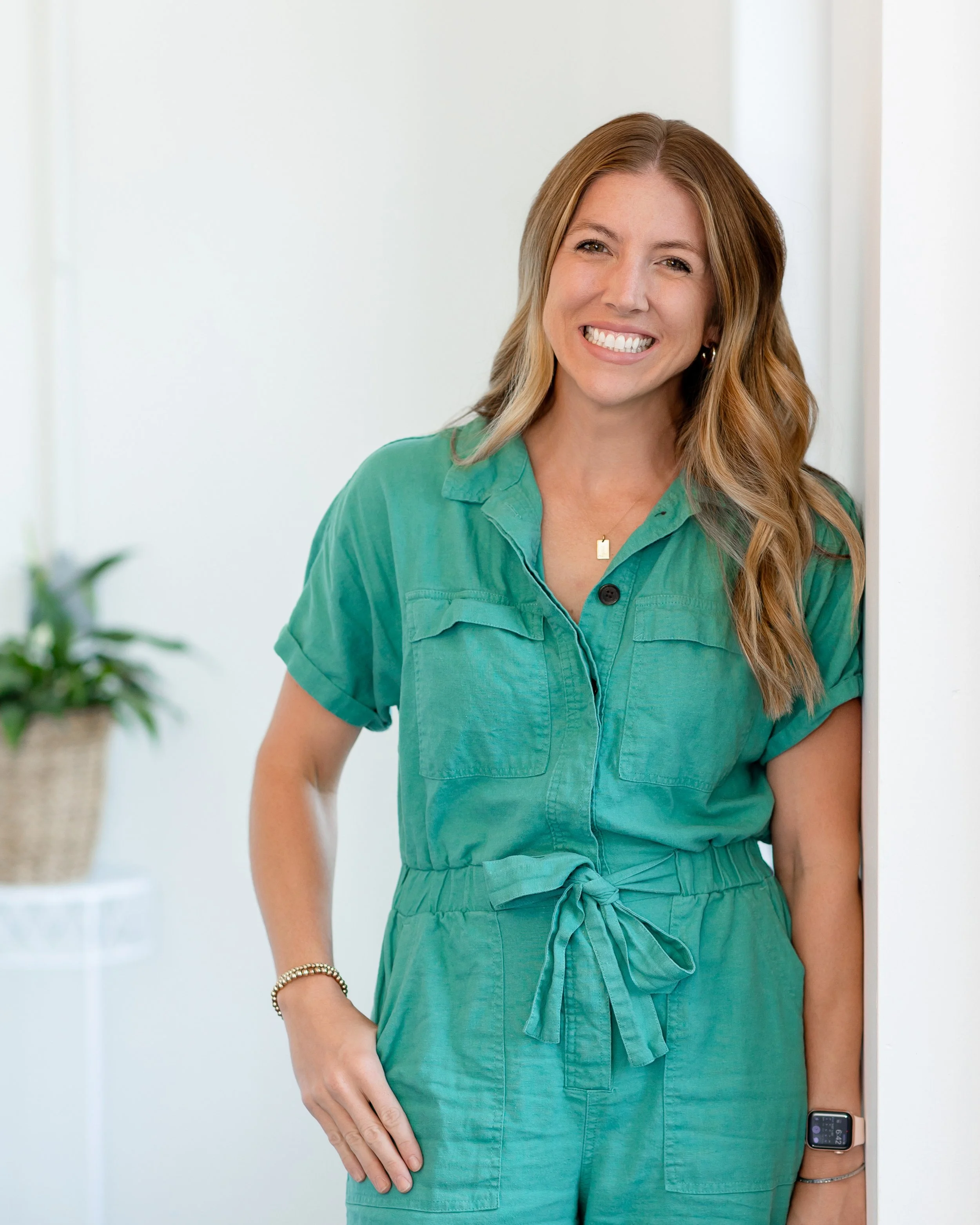
Katie Hake, RDN, LD, CPT is a Registered Dietitian Nutritionist, Certified Personal Trainer, and the founder of Katie Hake Health & Fitness, LLC based in Carmel, Indiana. She and her team of non-diet dietitians specialize in helping folks break free from dieting, rebuild trust with their bodies, and create sustainable habits that support energy, confidence, and health. Through both in-person and virtual counseling, Katie and her team proudly serve clients across Indiana and beyond, empowering them to use their insurance benefits to access compassionate, evidence-based nutrition care and fitness coaching.