
What Normal Eating Actually Feels Like
What it Feels Like When Food Stops Being a Big Deal
There's a name for why forbidden food feels electric - and why "normal" eating feels quiet. Understanding it changes everything.
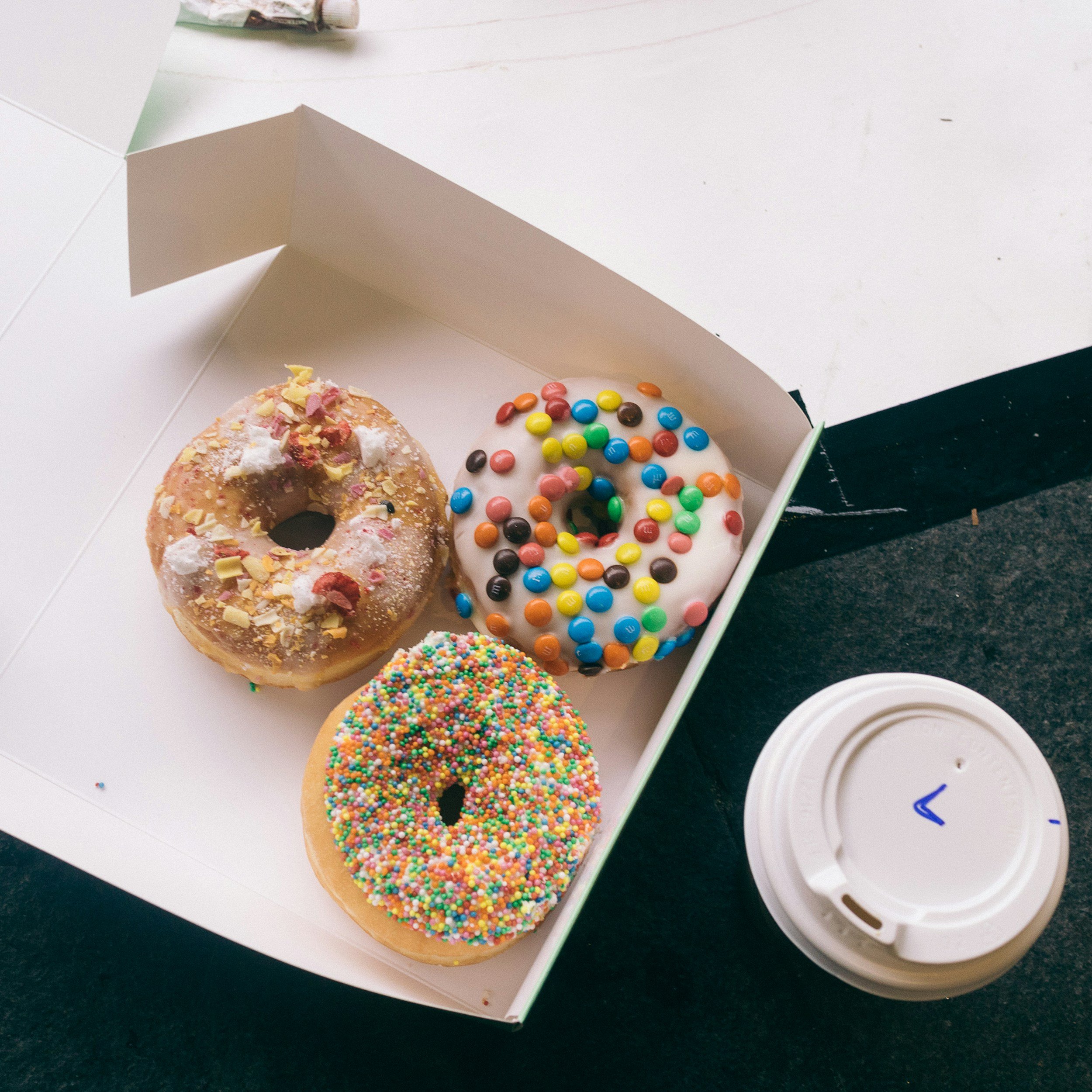
Nobody really warns you about this part.
You do the work. You challenge the rules. You slowly - slowly - start to let go of the rigidity that had you logging every bite, calculating every meal, lying awake running mental tallies. And one day, in what feels like out of the blue, something shifts.
Food just... stops being a big deal.
You eat breakfast. You move on. You don't think about it again until you're hungry. You have the thing you wanted at dinner and you don't spend the rest of the night negotiating with yourself about it. The mental chatter gets quieter. And then one day it goes mostly silent.
And here's what surprises almost everyone: it feels a little strange.
"Food used to be so exciting. Now it's just... food. Is something wrong with me?"
Nothing is wrong with you. What you're experiencing has a name. It's called habituation - and understanding it is one of the most freeing things you can do for your relationship with food.
What is habituation?
Habituation is one of the most well-studied phenomena in psychology and neuroscience. At its simplest, it means this: the more exposure you have to something, the less your brain reacts to it.
Think about the first time you moved near a busy road. The noise was probably maddening. A few weeks later, you stopped noticing it. Your brain assessed the stimulus, decided it wasn't a threat or a novelty, and dialed down its response. That's habituation.
The same thing happens with food… but restriction flips the whole system upside down.
The science, simply put
When food is restricted or labeled "off-limits," the brain never gets the chance to habituate to it. Every exposure becomes charged - a negotiation, a reward, a failure. Research shows that people who restrict certain foods don't just think about those foods more often. They experience a stronger dopamine response when they finally eat them, making the food feel even more powerful than it actually is. Restriction creates the very obsession it claims to prevent.
Why forbidden food feels electric
When something is off-limits, your brain treats it as a high-value target. Scarcity drives up perceived reward. The Friday night pizza you white-knuckled toward all week doesn't just taste good - it feels like a release. The "cheat meal" carries a thrill that a regular Tuesday dinner never could.
That electricity isn't about the food. It's about the restriction around it. Remove the restriction, and the charge starts to dissolve.
This is why people early in diet recovery sometimes panic when they stop craving the foods they used to obsess over. They think something has gone wrong. In reality, something has gone right. The brain is finally habituating - doing exactly what it was always meant to do, if only it had been given the chance.
Restriction creates the very obsession it claims to prevent. Habituation is the antidote - but you have to let it work.
The grief nobody talks about
Here's the part that gets skipped in most food freedom conversations: when the charge fades, there can be a strange sense of loss.
Food was something to think about. Something to organize your days around. There were highs and lows, victories and failures. It was dramatic and consuming - and in a way, it gave life a kind of structure, even when that structure was exhausting you.
When food becomes neutral, that structure dissolves. And for a moment, the quiet can feel like emptiness.
It isn't. What it actually is, is space.
What fills the space instead
Habituation doesn't take joy away from food. Meals can still be special. Celebrations still taste good. A really good taco is still a really good taco.
But food stops running the show. It takes its rightful place as one good thing among many - not the main event, not the enemy, not the reward, not the punishment. Just food.
And the mental real estate that was consumed by planning, logging, calculating, and starting over on Monday? It comes back to you. For your relationships, your work, your creativity. For the things you kept saying you'd get to once you finally figured this out.
When food stops being a big deal, you get to figure out what actually is.
That's not boring. That's the whole point.
A boring Tuesday where food came up four times and none of it was a crisis - that's the win. That's what we're working toward.
So what does this look like in practice?
Habituation requires consistent, unconditional access. You can't habituate to something you're still restricting, even subtly. That means eating enough throughout the day, giving yourself permission to eat the foods you've been avoiding, (and critically) not needing to "earn" or "balance out" what you eat.
It takes time. The research suggests repeated, guilt-free exposure over weeks and months, not days. There will be a period where the previously forbidden food still feels charged. That's normal. You're rewiring a pattern that took years to build.
But on the other side of it is something most chronic dieters have never experienced as adults: a quiet, undramatic, completely ordinary relationship with food.
And it's so much more peaceful than you'd think.
ABOUT THE AUTHOR

Katie Hake, RDN, LD, CPT is a Registered Dietitian Nutritionist, Certified Personal Trainer, and the founder of Katie Hake Health & Fitness, LLC based in Carmel, Indiana. She and her team of non-diet dietitians specialize in helping folks break free from dieting, rebuild trust with their bodies, and create sustainable habits that support energy, confidence, and health. Through both in-person and virtual counseling, Katie and her team proudly serve clients across Indiana and beyond, empowering them to use their insurance benefits to access compassionate, evidence-based nutrition care and fitness coaching.